DEFINITIVE REFERENCE FOR INDIAN CENT DIE VARIETIES


Home
Table of Contents
For Sale List
Numismatic Links
David's Numismatic Blog

1889 Variety 18


Obverse 20

Reverse T


Obverse Diagnostics


Date Position

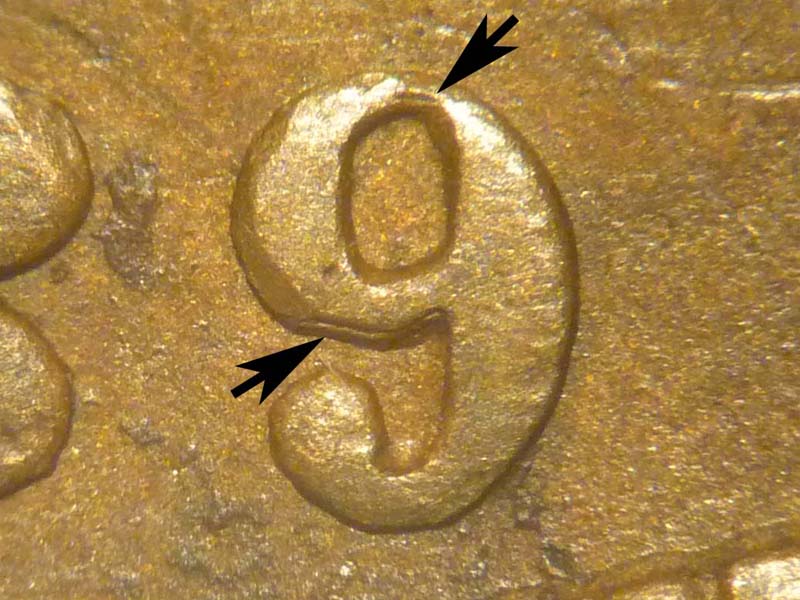
Repunched 9 (Click On Image To Enlarge)


Reverse Diagnostics


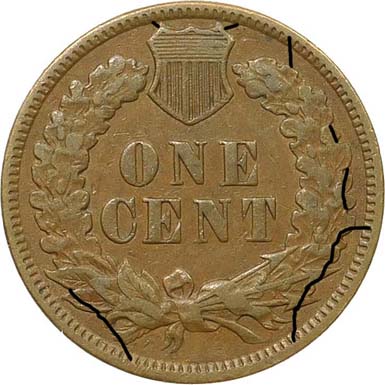
Reverse T Die Crack Mapping


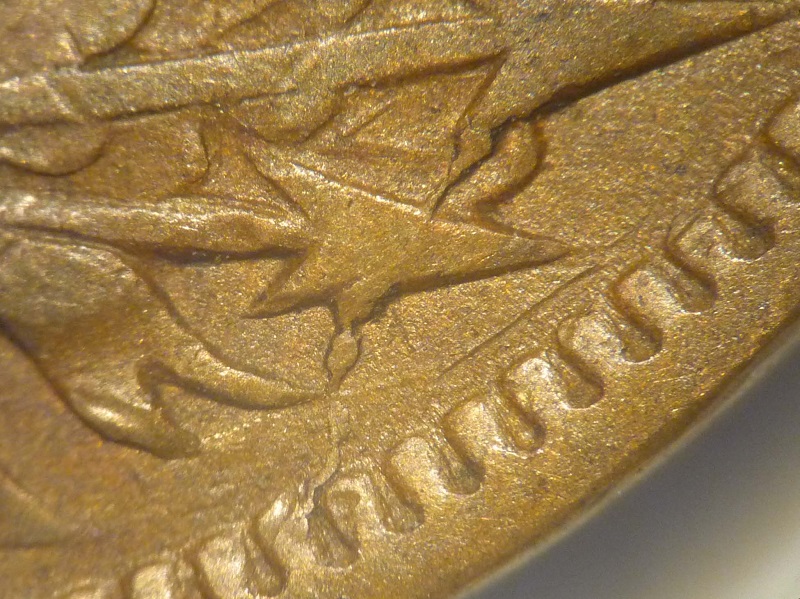
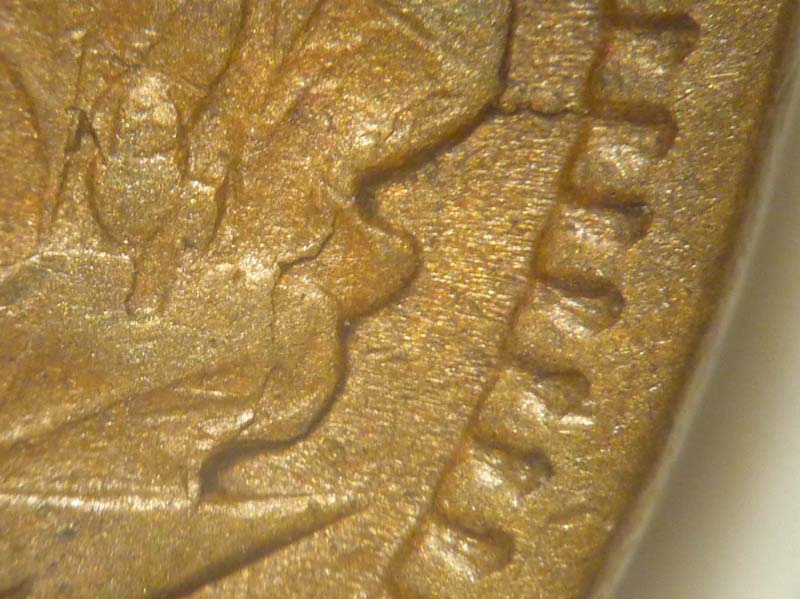
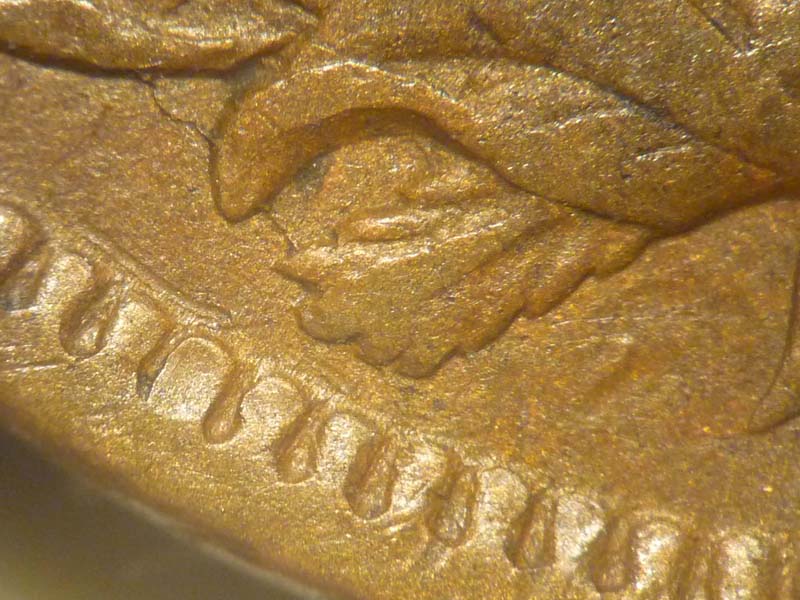
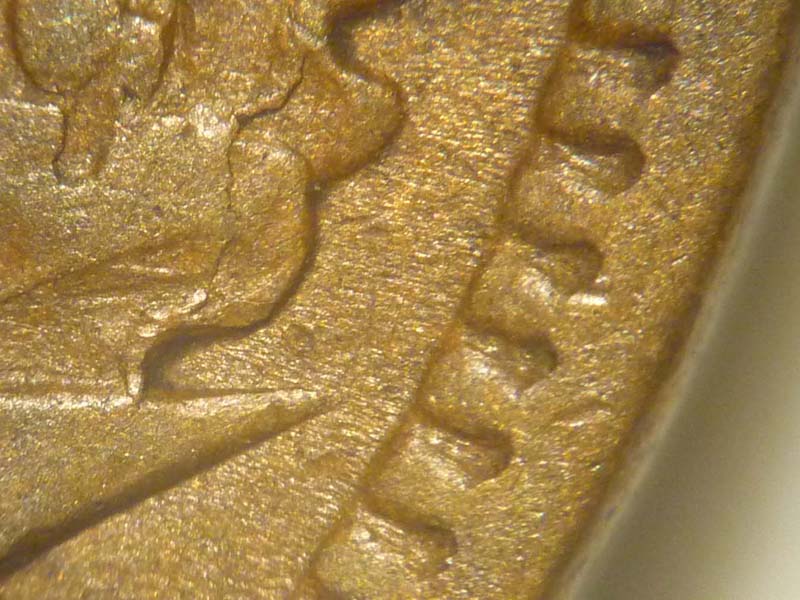
Macro Photography Of Reverse T Die Crack Between 3:30 and 4:45

Lower Section (Click On Image To Enlarge)

Upper Section (Click On Image To Enlarge)


Die Crack From 6:45 (Click On Image To Enlarge)

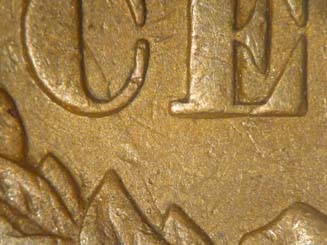
Clash Mark Through (C)ENT

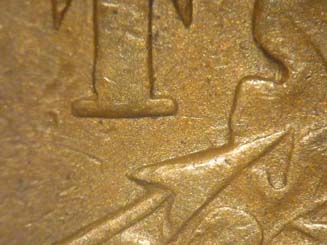
Clash Mark Abvoe Upper Arrowhead


Obverse 20 is identified by date placement at B and date repunching that features initial date impressions to the south within the upper loop and below the upper loop of the 9.

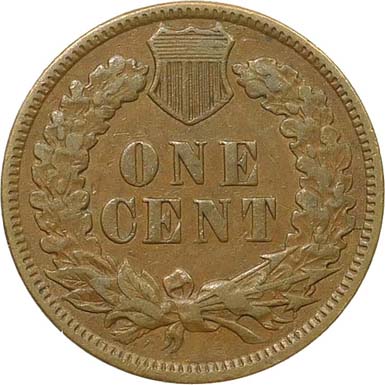
Reverse T has developed moderately heavy die flow lines and has acquired clash marks through (C)ENT and above the upper arrowhead.  Reverse T develops the following die cracks:
1.  Die crack from the denticles at 12:30 into the top right of the shield.
2.  Die crack from the rim at 1:00 into the right wreath.  There is a die crack between 2:00 and 2:15 as well as another between 2:30 and 3:00 that most likely are associated with the die crack from 1:00.
3.  Die crack from the rim at 3:30 downward through the right wreath and the middle and lower arrowheads into the rim at 4:45.
4.  Die crack from the rim at 6:45 upward through the olive leaves of the left wreath.
5.  Die crack from the denticles at 11:30 into the top left of the shield.

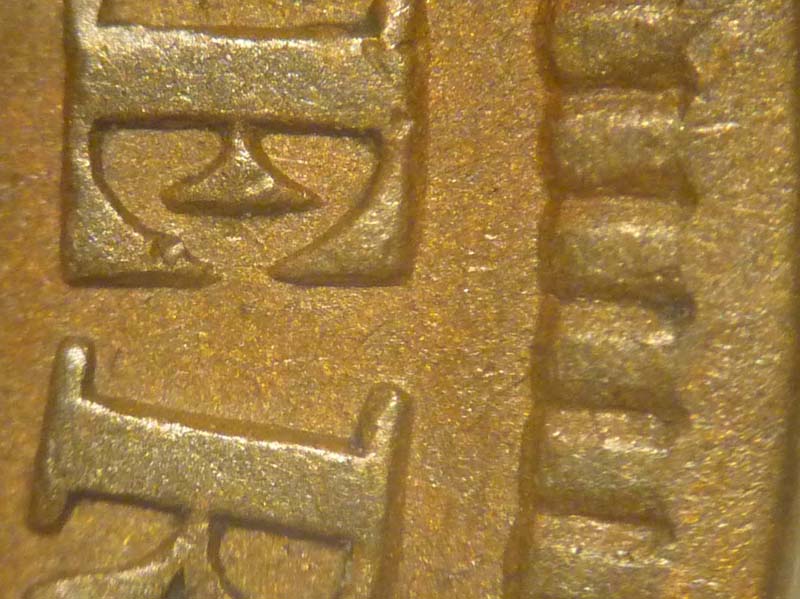
Comments:   Obverse 20 and Reverse T exhibit contrasting die states, with Obverse 20 featuring no discernible die flow lines and Reverse T developing moderately heavy die flow lines.  The difference in die states between Obverse 20 and Reverse T are compared below:


Obverse 20 Surfaces (Click On Image To Enlarge)

Reverse T Die Flow Lines (Click On Image To Enlarge)

Plate coin:  Courtesy of David Killough Collection, VF30

Return to 1889 Varieties Table

Return to Date and Die Variety Analysis